
Practical Ways To Build A Long–Term Travel Lifestyle
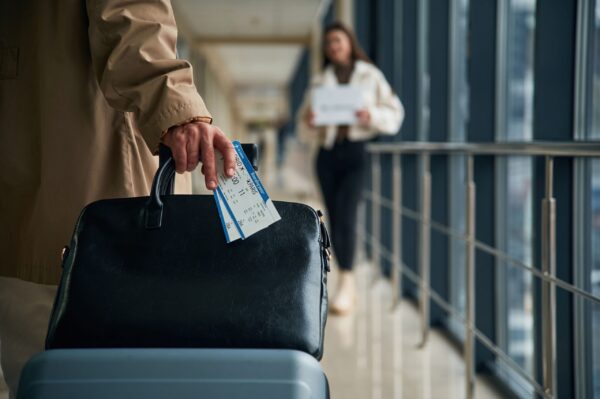
Many travelers believe permanent travel is only for rich people. But in reality, long travel more often depends on discipline and planning, not a luxurious money lifestyle. Full–time travel in 2026 will become easier because remote work, cheaper transport and flexible accommodation already exist in many countries now. People who travel for many months usually combine careful spending, online jobs, and simple daily habits so they can continue moving between countries without stopping fully.
Remote Work Options For Long–Term Travelers
Internet–based work changed modern travel lifestyles in many regions. Travelers now can earn money from apartments, trains, hostels, and cafes with stable internet connections. Different online professions give the possibility to continue moving while keeping regular income from clients or companies abroad.
Remote employees often work fixed schedules for one organization. Freelancers usually combine projects from several clients during each month. Common jobs include article writing, translation, customer support, graphic design, video editing, and online teaching. Some travelers also manage social media pages or help businesses with digital tasks from different countries.
Freelance Writing And Flexible Online Tasks
Freelance writing is one of the easier activities for travelers who already use English regularly. Writers prepare blog articles, travel guides, educational texts, or website descriptions. Payment is not always very high, but lower living costs in some destinations help travelers continue longer journeys without needing large salaries.
Many people combine several small jobs together during travel:
- Content writing for online publications
- Social media scheduling and moderation
- Translation of simple documents
- Virtual assistant support
- Basic photo or video editing
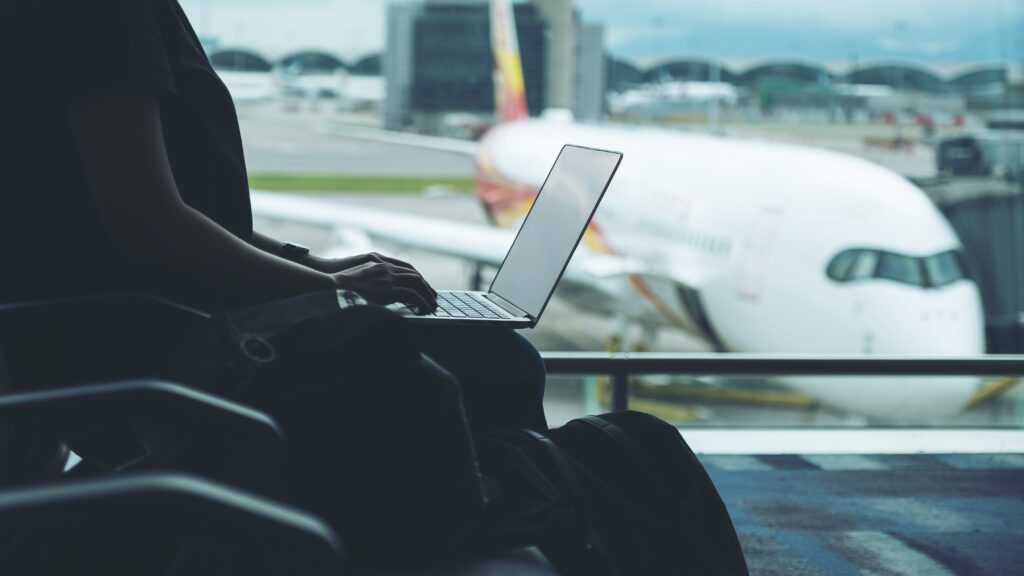
This work usually requires only a laptop, an internet connection, and good organization skills. Some travelers work during mornings before sightseeing.
Budget Habits That Reduce Travel Expenses
Controlling expenses is one of the biggest parts of long–term travel. Daily costs become lower when travelers avoid expensive habits and choose more practical solutions. Cheap transport, local meals, and longer stays normally save large amounts during several months on the road.
Accommodation often takes the biggest percentage of the travel budget. Hostels, rented rooms, and apartment sharing are popular because they cost less than hotels. House sitting also became common during recent years because homeowners need someone to care for pets and property while they travel themselves.
Public transportation is another important method for saving money. Local buses and trains are usually much cheaper than taxis or private transfers. Walking inside cities also helps travelers understand neighborhoods better while avoiding unnecessary transport expenses.
Travelers often lower their costs with habits like these
- Cooking simple meals instead of restaurants every day.
- Using overnight buses or trains between cities.
- Booking flights outside major holiday periods.
- Staying one month or longer in each destination.
- Carrying lighter luggage to avoid airline fees.
Countries in Southeast Asia, Eastern Europe, North Africa and parts of South America are still considered affordable during 2026. Travelers can often rent apartments, buy local food, and use transportation there for much lower prices than in Western Europe or North America. Careful destination choice allows people to travel longer with a smaller income.
Slow Travel and Temporary Living Abroad
Constant movement creates physical tiredness and financial pressure. Because of this, many long–term travelers now stay several weeks or months in one location instead of changing cities every few days. This slower style helps reduce transport costs and creates a more stable routine.
Longer stays allow travelers to shop in local markets, cook regular meals, and learn basic details about local culture. Apartment owners also sometimes offer lower monthly prices compared with short tourist bookings. These savings become important during yearlong travel periods.
Temporary living abroad also supports remote work more effectively. Travelers can organize work hours, internet access, and daily responsibilities without constant interruptions from airports or hotel changes. Some people prefer smaller towns outside major tourist centers because rent and food prices there are usually lower.
Other Ways People Support Full–Time Travel
Not every traveler depends completely on remote work. Seasonal jobs and temporary employment are still common ways to support long journeys in different countries. Farm work, hostel reception jobs, and tourism support roles help many travelers continue moving between destinations.
Teaching English remains popular in parts of Asia and Europe. Schools sometimes include accommodation or transportation support together with salary. Cruise ships, ski resorts, and summer camps also employ international workers for short seasonal contracts.
Travel blogging and video creation attract many people because these activities look flexible and creative. Still, earning stable money from blogging often takes a long time. Advertising income, sponsorships and partnerships normally appear only after large audience growth. Because of this, many travel creators continue freelance work alongside blogging activities.
Construction work, restaurant jobs, and kitchen support are traditional travel jobs that still exist in many regions. These positions may require physical effort and long hours, but they help travelers collect extra savings before moving to another destination. Some travelers also work as au pairs and stay with local families while helping with childcare responsibilities.
Emergency savings are important before beginning full–time travel. Unexpected medical costs, canceled transport or delayed freelance payments can create financial problems during long journeys. A small savings reserve gives more security and flexibility during uncertain situations abroad.

Building A Sustainable Travel Lifestyle
To make full–time travel work, expectations have to remain realistic. Social media is full of expensive hotels and luxury experiences, but many long–term travelers live quite simply to travel longer. Usually organization and flexibility are more important than a very high income.
Always check the travel insurance, visa rules and quality of internet in another country. Some places allow you to stay easily for long periods; others require difficult paperwork or tough immigration conditions. Good preparation reduces stress and prevents costly mistakes when traveling.
Many months on the road means that people need a healthy routine too. Regular sleep, balanced food and rest days are important even if you’re constantly moving from place to place. Travelers can burn out if they try to see too many places in too short a time without enough time to recharge.
In 2026, full–time travel will be accessible for a range of budgets and lifestyles. Remote working opportunities, affordable destinations, and flexible accommodation systems opened more opportunities for long journeys than in previous years. Many independent travelers around the planet are still out traveling much longer than expected by being flexible, closely controlling their spending, and accepting simple living conditions.