
Everest Base Camp Trek Independently
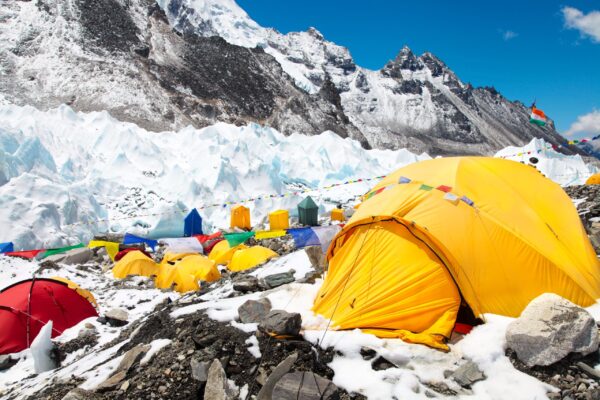
Walking to Everest Base Camp without joining an organized group became more common during recent years because information, maps, and accommodation are easier to access than before. Independent trekkers now prepare routes online, book flights separately, and manage their schedules across the Khumbu region. In 2026 the Everest Base Camp trek still remains physically demanding because of altitude, weather conditions, and long walking days through mountain terrain in Nepal.
Planning the Everest Base Camp Route
Most trekkers take between 12 and 16 days to complete the entire route depending on weather, acclimatization and side hikes. Healthy people can get altitude sickness out of the blue and independent travelers often move at a slower pace than organized tour groups. Don’t skip the rest days; they are a crucial part of the journey.
The standard route passes through a number of famous villages like Phakding, Namche Bazaar, Tengboche, Dingboche, Lobuche, and Gorakshep. Each settlement has teahouses where trekkers can sleep, eat meals, recharge devices, and meet other travelers from different countries.
Flights to Lukla are often delayed because mountain weather changes quickly. Some trekkers now begin from Ramechhap Airport instead of Kathmandu because flights operate there more frequently during busy trekking seasons. Delays can affect travel schedules for several days, especially during periods of fog or strong wind.
Independent trekkers usually prepare these important things before departure:
- Passport copies and trekking permits
- Warm layered clothing for cold nights
- Water purification tablets or filters
- Offline maps and portable battery packs
- Travel insurance covering helicopter rescue
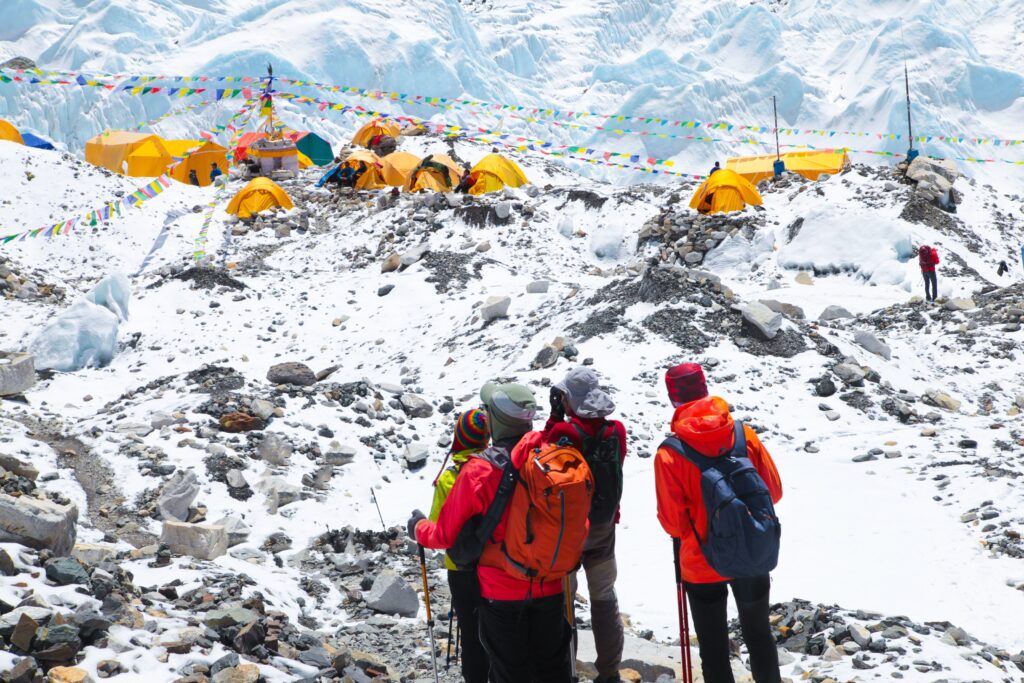
Altitude preparation is another major factor during the trek. Everest Base Camp sits above 5,300 meters, and oxygen levels become much lower than at sea level. Many trekkers feel headaches, nausea, or exhaustion while climbing higher into the Khumbu Valley. Slow walking and hydration normally help reduce some problems connected with altitude.
Acclimatization Stops Along the Trek
Namche Bazaar is usually the first important acclimatization stop. The town contains bakeries, equipment shops, cafes, and trekking lodges surrounded by mountain views. Many trekkers spend two nights there before continuing upward because the body needs time to adjust gradually.
Dingboche is another common acclimatization location higher on the route. Trekkers often complete short hikes during rest days instead of remaining inactive. Climbing to higher viewpoints during daytime and returning lower for sleep is considered helpful for adaptation to thinner air.
Some travelers attempt the route too quickly and later need evacuation because of altitude sickness. Symptoms can become dangerous if ignored. Independent trekkers must monitor their physical condition carefully because medical facilities become limited farther into the mountains.
Accommodation And Food During The Trek
Teahouses provide basic accommodation along almost the entire route. Rooms are simple and usually contain two beds with blankets. Bathrooms are often shared, and heating normally exists only in dining rooms where trekkers gather during evenings.
At higher altitudes food is dearer, as supplies have to be carried up by porters, yaks, or helicopters. Menus are surprisingly similar from village to village, generally featuring rice, noodles, soup, potatoes, eggs, and tea. Dal bhat is one of the most regular meals, being served in large portions with unlimited refills in many tea houses.
Electricity and internet are available in many places but often at an additional cost. WiFi quality is worse at higher elevations, and charging batteries can cost extra money in remote villages. Many trekkers find portable power banks useful in avoiding constant charging expenses.
With independent trekking you can select your accommodation. Travelers can stop earlier in bad weather, or go farther if weather remains good. Organized tours tend to have a schedule, which can feel rushed to slow walkers.
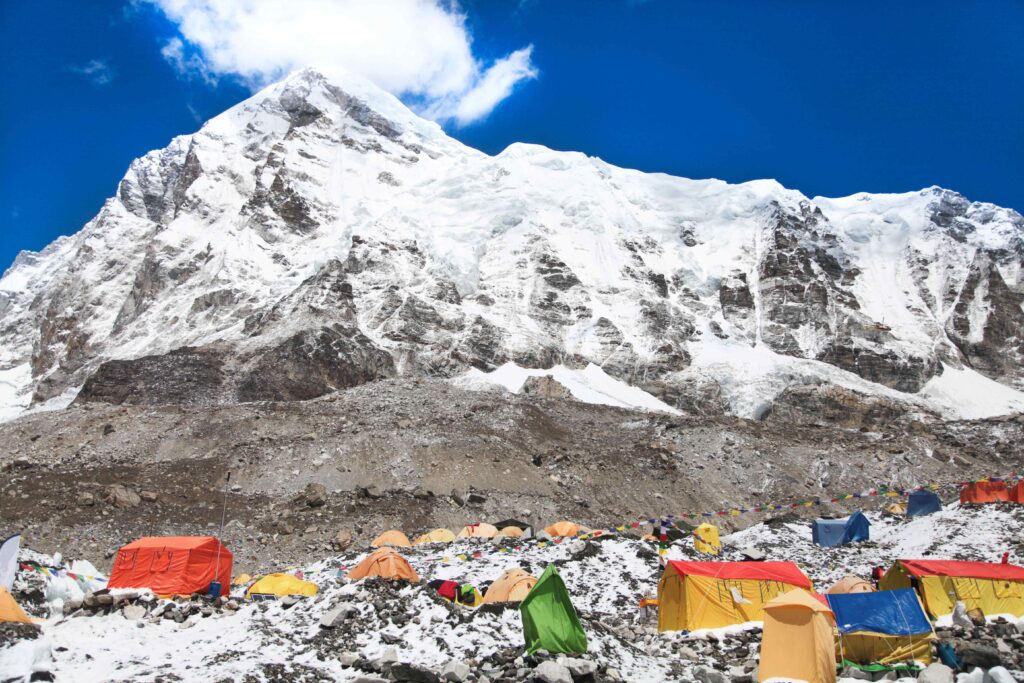
The trek also passes Buddhist monasteries, prayer wheels, and memorial sites dedicated to climbers who died on nearby mountains. Tengboche Monastery is one of the more important cultural stops on the route and attracts both trekkers and local pilgrims throughout the year.
Physical Conditions and Trekking Difficulty
The Everest Base Camp trek does not require technical climbing skills, but the route still demands strong endurance because of altitude and repeated elevation changes. Walking days often continue for five to eight hours depending on weather and fitness level.
Trail conditions vary between rocky paths, steep staircases, icy sections and dusty mountain tracks. Trekking poles help many people reduce pressure on knees during descents. Proper boots are also important because poorly fitted footwear can create blisters early in the journey.
Trekkers usually experience cold nights above Dingboche, and temperatures near Gorakshep may fall below freezing even outside winter months. Layered clothing becomes necessary because daytime sunshine can still feel strong at high altitude.
Many independent trekkers walk without guides, but they take local porters. At 4,000 meters and above, heavy packs will increase exhaustion significantly. Porters also help ease physical effort and provide local jobs in mountain communities.