
Australia’s Outback Highway Route South
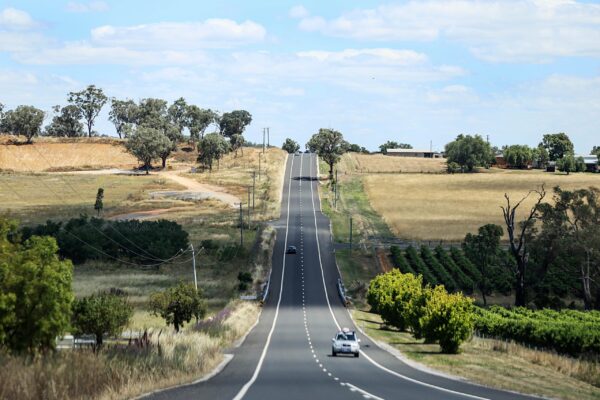
Crossing the Australian outback between Alice Springs and Adelaide gives travelers a chance to see long desert highways, isolated towns and famous natural landmarks in one route. Journeys pass through dry landscapes and remote service stations where the distance between stops sometimes feels almost endless for drivers. In 2026 this road trip still remains one of the most recognized overland drives in Australia because of the large scale, difficult environment and unusual scenery around the road.
Preparing for the Outback journey
Driving through central Australia needs more preparation than normal highway travel near cities. Fuel stations are limited, temperatures can change quickly, and phone signal disappears in many sections. Travelers usually prepare supplies carefully before starting the route south toward Adelaide.
The condition of your vehicle is extremely important because repair services can be hundreds of kilometers away. Drivers often check their tires, spare wheels, water supplies and emergency equipment before leaving Alice Springs. Temperatures in the summer can be dangerous during the day, and winter mornings can be surprisingly cold.
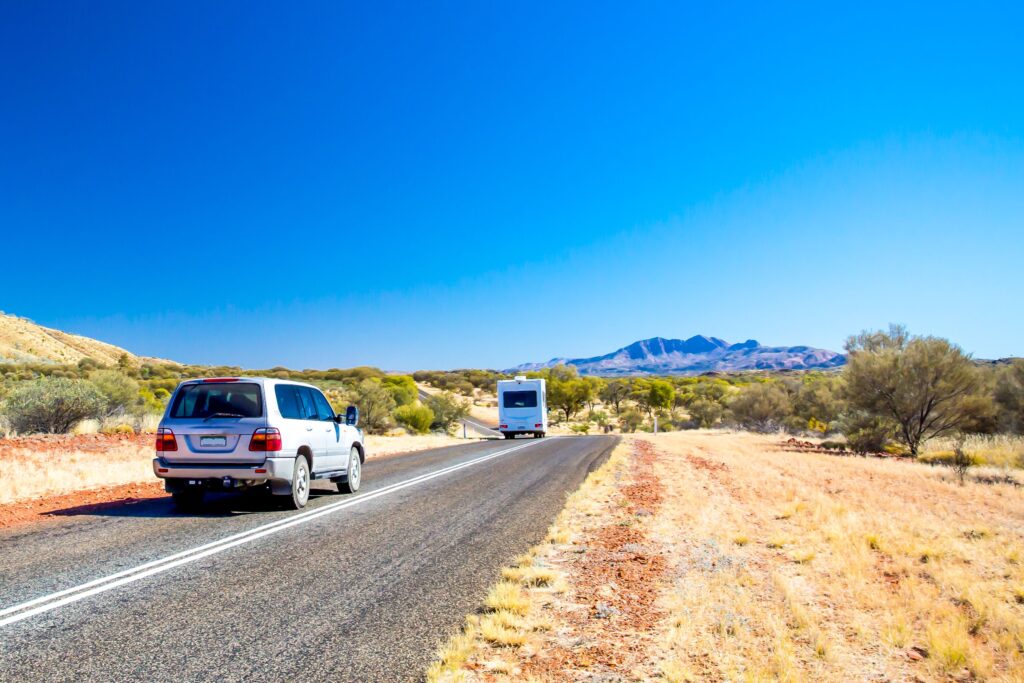
The road between Alice Springs and Adelaide is mostly sealed highways, but the distances are still very large. For some travelers, the appeal of campervans is that they offer a place to sleep and cook, as well as more flexibility when it comes to overnight stops.
Many travelers prepare these important items before departure:
- Extra drinking water and food supplies
- Paper maps and offline navigation apps
- Headlamps and spare batteries
- Warm clothing for cold desert evenings
- Basic tire repair equipment
Road safety is another major concern in the outback. Wildlife becomes active near roads after sunset, especially kangaroos and camels. Because of this, experienced drivers usually avoid nighttime travel completely. Long, straight highways also increase the risk of fatigue, so regular breaks are necessary during each driving day.
Choosing Transport for Long Distances
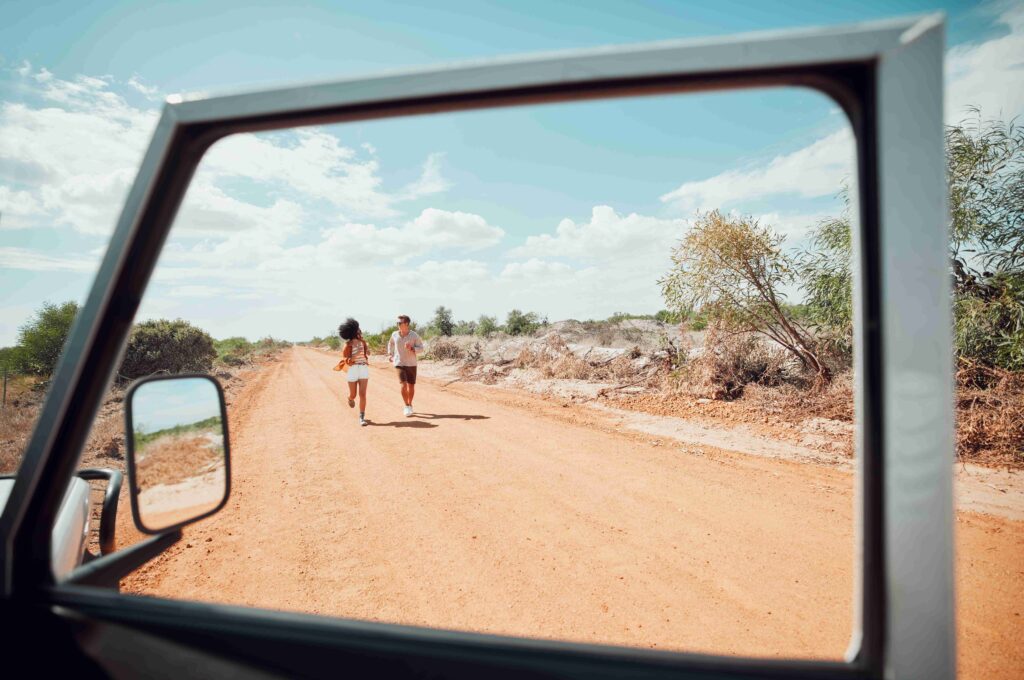
Campervan rental remains popular for this route because accommodation options are limited in some areas. Travelers can stop at campsites, rest areas, or remote caravan parks without needing hotel reservations every night. Some vehicles include small kitchens, refrigerators, and water tanks, which help reduce travel costs.
Buying a used vehicle is another possibility for travelers spending several months in Australia. Older cars can sometimes be cheaper than long rental periods, but mechanical problems in remote regions may become serious. A reliable condition is much more important than a low purchase price during desert travel.
Drivers planning side trips on unsealed roads sometimes choose four–wheel–drive vehicles. Some tracks near national parks and remote lookouts become difficult after rain or during hotter periods. Travelers without off–road experience often stay on the main sealed highways instead.
Major Stops Between Alice Springs and Adelaide
The route south passes several famous attractions and unusual desert towns. Many travelers spend at least one week on the journey because driving continuously without stops removes much of the experience. Slow travel allows more time for walks, photography, and rest between long driving sections.
West MacDonnell National Park near Alice Springs contains rocky gorges, walking trails, and waterholes surrounded by desert scenery. Ormiston Gorge and Ellery Creek are two common stopping places before drivers continue south toward the Uluru region.
King’s Canyon is another major destination along the route. The Rim Walk above the canyon gives wide desert views and passes unusual rock formations shaped by erosion and extreme climate conditions. Morning walks are recommended because temperatures become difficult later during the day.
Travelers often stop at these locations during the road trip:
- Ormiston Gorge and West MacDonnell Ranges
- King’s Canyon and Watarrka National Park
- Uluru and Kata Tjuta National Park
- Coober Pedy underground mining town
- Clare Valley near Adelaide
Visiting Uluru and Kata Tjuta
Uluru is the most famous landmark on this road trip. The big sandstone monolith changes color at sunrise and sunset depending on the light conditions. Visitors will still enter through Uluru–Kata Tjuta National Park, using walking trails, cultural information and viewing areas.
Kata Tjuta is a group of large, domed rocks located in the desert west of Uluru. The Valley of the Winds walk trail is one of the more popular walks as it winds between the formations and gives elevated views over the area.
Cultural respect is important inside the national park because these sites remain sacred for local Anangu communities. Information centers explain traditions, history, and rules connected with photography and restricted areas. Climbing Uluru is permanently prohibited, and most visitors now focus instead on walking trails around the base.
Accommodation near the park is concentrated around Yulara. Campsites, hotels, and shops exist there, although prices are usually higher because of the isolated location. Many travelers reserve accommodation early during busy seasons because options can fill quickly.
Remote Towns and Desert Highways
South of Uluru, the road continues through wide–open desert country toward South Australia. Driving distances become longer, and scenery changes slowly between dry plains, low hills, and mining areas. Roadhouses provide fuel and basic services but are often separated by many hours of driving.
Kulgera and other isolated stops give travelers short opportunities to rest before continuing south. Border signs between Northern Territory and South Australia are common photography locations because they mark large geographical transition points during the trip.
Coober Pedy is one of the strangest towns along the route. Many residents live partly underground because desert temperatures can become extremely hot during summer. The town developed through opal mining and still contains underground homes, churches, museums, and mining displays.
Further south the landscape slowly changes again near Port Augusta and Clare Valley. Vineyards, farmland, and greener scenery replace the harsh desert environment that dominates most of the route from Alice Springs. After many days in remote areas, the approach toward Adelaide feels very different from the earlier sections of the journey.